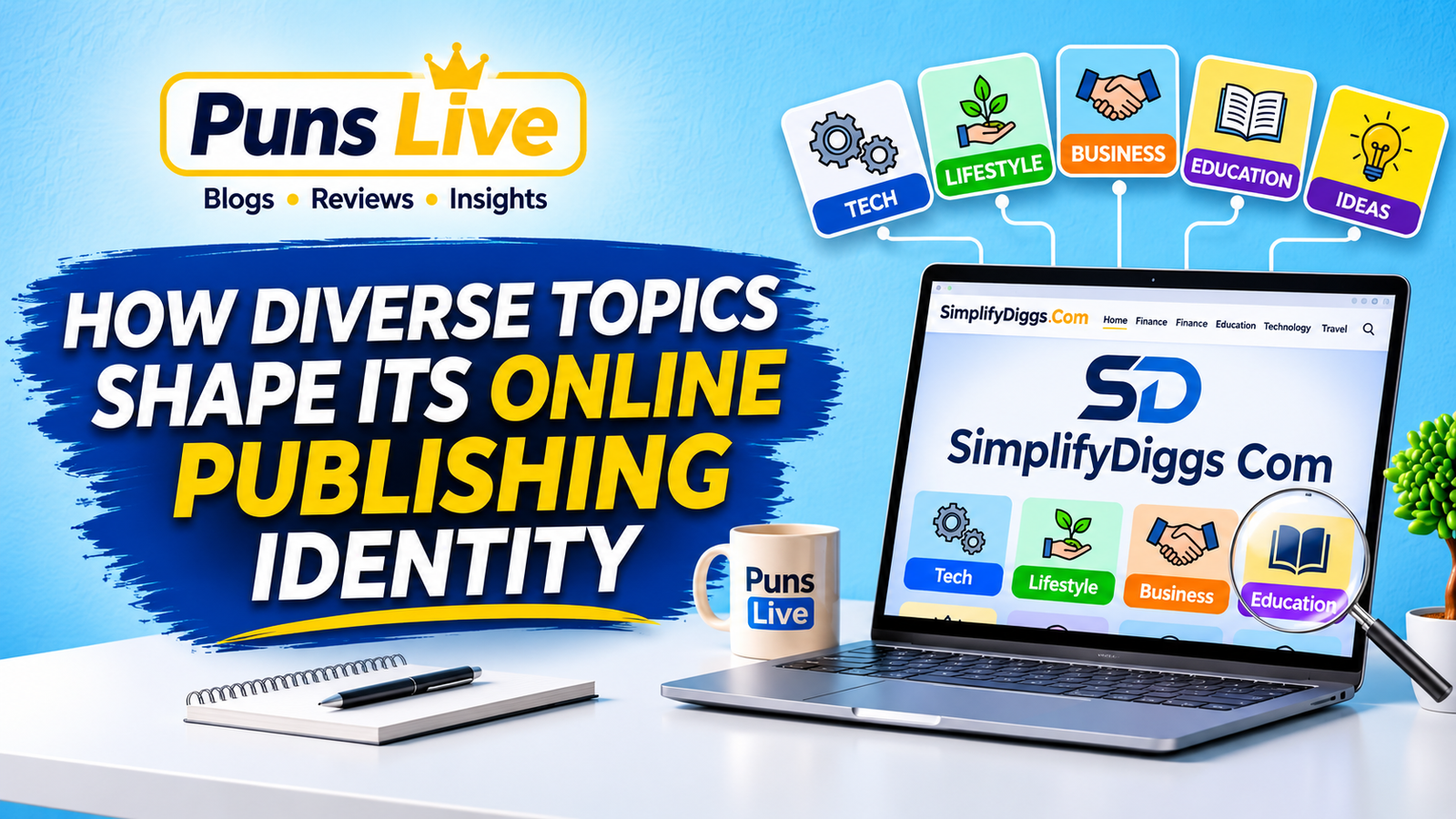

The internet has changed the way people discover information, explore new interests, and stay updated on different subjects. Today, readers do not always depend on websites dedicated to a single industry. Many prefer digital publishing platforms that bring together information from multiple fields under one online identity. SimplifyDiggs Com represents this broader approach to online content publishing, with its coverage extending across several areas of interest.
Rather than concentrating on one specific subject, the website brings together different content themes, including technology, automotive, business, lifestyle, travel, and other informational topics. This variety creates an interesting publishing direction and highlights how multi-niche websites can serve readers with different interests.
A Website Built Around More Than One Interest
One of the defining characteristics of SimplifyDiggs Com is its multi-topic publishing approach. Instead of building its entire identity around technology, entertainment, or business alone, the platform covers subjects from different corners of the digital information landscape.
This approach reflects a wider change in online publishing. Readers frequently move between different interests throughout the day. Someone researching a technology concept might also want information about automobiles, business developments, or everyday lifestyle topics.
A website covering multiple subjects can create opportunities to reach these different audiences. However, the challenge is maintaining a recognizable identity while publishing content across unrelated industries.
For a multi-niche platform, diversity becomes useful when every topic receives meaningful attention and the content remains relevant to its intended audience.
Inside the Content Mix: Technology, Cars, Business, and Beyond
The variety of subjects associated with SimplifyDiggs Com gives its publishing identity a broader direction. Its content themes extend beyond one traditional blogging category.
Technology is an important part of this mix. Articles involving digital tools, software, networking concepts, and emerging technologies help readers understand subjects that influence modern digital life.
Automotive content introduces another dimension. Topics involving luxury vehicles, car brands, and automotive interests appeal to readers who want information about the automobile industry.
Business-related subjects add further variety by introducing professional interests, commercial developments, and general business information.
Other areas, including travel, lifestyle, education, fashion, entertainment, and finance, demonstrate the wider range of topics associated with multi-niche publishing.
These subjects do not necessarily share the same audience. Their connection comes from the broader purpose of providing accessible online information across different interests.
Read This Article: Voozon.com
Why Its Category Menu Tells Only Half the Story
A website’s category menu provides an initial understanding of its content organization, but categories alone cannot explain its complete publishing direction.
Two websites can cover identical subjects while offering completely different reader experiences. One might publish introductory guides, while another focuses on detailed explanations, practical information, and industry developments.
The real value of a category structure depends on what readers find after selecting a topic.
For SimplifyDiggs Com, content organization is particularly relevant because a multi-niche platform needs to make different subjects easy to navigate. Readers interested in technology should be able to find relevant material without getting lost among unrelated topics.
Clear categories, descriptive headlines, useful internal links, and well-organized articles can make this experience more convenient.
A strong structure also helps search engines understand how individual pages relate to the broader subjects covered by a website.
From Technical Guides to Luxury Automotive Content
One interesting aspect of a diverse publishing platform is the contrast between its subjects.
Technology guides and automotive articles, for example, attract readers with different questions and expectations.
A technology article might explain how a particular networking concept works, describe a software feature, or introduce an emerging digital development. Readers generally expect clear explanations, relevant terminology, and practical context.
Automotive content follows a different direction. Readers might be interested in vehicle specifications, luxury manufacturers, design characteristics, or developments within the automobile industry.
Bringing these subjects together creates a broader content environment. It also requires writers to understand the individual expectations of each audience rather than applying the same writing approach to every category.
This distinction matters because content diversity should not come at the expense of subject relevance or accuracy.
The Editorial Identity Behind SimplifyDiggs
A recognizable editorial identity is important for every digital publisher, especially those covering multiple industries.
Readers should be able to understand what kind of information they can expect, even when the subjects change from one article to another.
For a platform such as SimplifyDiggs Com, consistency can come from the way information is presented rather than from covering only one niche.
Clear explanations, descriptive headings, relevant examples, and accessible language can create a familiar reading experience across different categories.
Editorial consistency also involves knowing when a subject requires deeper technical detail and when a straightforward explanation is more appropriate.
For example, a networking guide may require accurate technical terminology, while a general lifestyle article may benefit from a more conversational approach.
Maintaining this balance is an important part of developing a sustainable multi-niche publishing identity.
Publishing Patterns and the Question of Content Consistency
Publishing across several categories introduces an important challenge: consistency.
A website may have a wide selection of topics, but readers benefit most when those topics receive regular attention and meaningful editorial development.
Consistency does not simply mean publishing a new article every day. It also involves maintaining content quality, updating outdated information, and ensuring that individual articles answer the questions they target.
For multi-niche publishers, this can require a more organized editorial process.
Each category needs a clear purpose. Articles should provide information that belongs naturally within that subject, and similar topics should connect through useful internal links.
Content development also benefits from reviewing existing articles. Updating relevant information and improving older pages can strengthen the overall usefulness of a publishing archive.
This approach gives a website more opportunities to develop lasting value instead of relying entirely on newly published content.
Commercial Publishing Signals and Reader Expectations
Digital publishing involves more than writing and distributing articles. Many websites also explore commercial opportunities through advertising, sponsored placements, and other publishing arrangements.
These activities can become part of a website’s broader business model.
However, commercial publishing works best when reader expectations remain a priority. Sponsored material should be presented transparently, and promotional content should not compromise the accuracy or usefulness of informational articles.
For multi-niche websites, this balance becomes particularly important because different industries have different advertising standards and audience expectations.
A technology reader, for instance, may expect detailed product information, while someone reading a business article may be more interested in practical industry insights.
Maintaining editorial standards across these different subjects helps create a more dependable publishing environment.
Where SimplifyDiggs Com Fits in Today’s Digital Publishing Space
The modern internet offers readers countless ways to discover information. Dedicated niche websites remain important, but multi-niche publishing platforms also have a place in this environment.
Their main opportunity lies in reaching readers with different interests through a single publishing platform.
SimplifyDiggs Com reflects this broader direction through its varied subject coverage and multi-category content approach.
However, long-term success in digital publishing depends on more than the number of topics a website covers. Content depth, editorial consistency, useful organization, and reader satisfaction all contribute to a website’s ability to establish a meaningful online presence.
A diverse publishing identity can create opportunities, but delivering relevant information across every subject is what gives that diversity real value.
Frequently Asked Questions
What Is SimplifyDiggs Com?
SimplifyDiggs Com is a multi-niche content publishing website associated with different informational subjects, including technology, automotive, business, lifestyle, and other areas of interest.
What Topics Does SimplifyDiggs Com Cover?
Its reported content themes include technology, automotive, business, travel, lifestyle, finance, education, fashion, entertainment, and other general informational subjects.
What Makes Multi-Niche Publishing Different From Niche Blogging?
Niche blogging concentrates on a particular subject or industry, whereas multi-niche publishing covers several different topics through one website. The latter requires broader editorial planning and consistent content organization.
Final Thoughts
SimplifyDiggs Com reflects the diverse direction of modern online publishing, where different subjects can share space under one digital identity. Its multi-niche approach highlights the importance of content variety, clear organization, and consistent editorial standards. Ultimately, a successful publishing platform needs to offer more than a broad collection of topics. It needs information that readers can genuinely find useful.